Real Customs Horror Stories: 10 Travelers Share Their Border Control Nightmares

Real Customs Horror Stories: 10 Travelers Share Their Border Control Nightmares
International travel can go from dream vacation to nightmare in a customs officer's booth. These true stories (compiled from documented cases, news reports, and verified traveler accounts) reveal how quickly things can go wrong at borders. Each story includes critical lessons to help you avoid the same fate.
1. "They Arrested Me for My Prescription Medication"

Location: Dubai, UAE Nationality: British What Happened:
Sarah, a 42-year-old teacher from London, arrived at Dubai International Airport for a beach holiday with prescribed Codeine for chronic back pain and Tramadol for occasional severe pain episodes. She had doctor's prescription, medical records, and original packaging.
At customs, her checked bag was randomly selected for inspection. Officers found the medications and immediately called security. Despite showing prescriptions and medical documents, Sarah was arrested on the spot. Both medications are on UAE's strict prohibited list with no exceptions for prescriptions from other countries.
She spent 48 hours in detention while British Embassy negotiated. Eventually, authorities agreed to deportation rather than prosecution, but imposed a 5-year entry ban to UAE. The medications were destroyed.
The Cost:
- 48 hours detention
- 5-year UAE entry ban
- Lost hotel reservations and flights
- £800 in legal consultation
- Extreme stress and trauma
Critical Lesson: Many common Western medications are illegal in UAE (Tramadol, Codeine, CBD, certain ADHD medications, some cold medicines). UAE law overrides foreign prescriptions. Check prohibited medications list before traveling. Consider alternatives available in UAE or get special Ministry of Health approval before arrival.
How to Avoid: Research destination's prohibited medications list. Consult with doctor about available alternatives. If medication is essential, get official approval from destination country before travel.
2. "My Forgotten Snacks Cost $1,680 in Fines"

Location: Sydney, Australia Nationality: Singaporean What Happened:
The Tan family - parents and two children - arrived in Sydney with gifts for relatives. Among the gifts were commercially packaged mooncakes. When filling out the Incoming Passenger Card, they genuinely didn't think about packaged mooncakes being "food items" and marked "No" for food declaration.
During random baggage screening (Australia screens approximately 90% of arriving passengers), biosecurity officers found the mooncakes. Despite being commercially sealed and explaining they forgot about them, Australian biosecurity issued on-the-spot fines of AUD $420 per person - total $1,680 for the family.
The mooncakes were destroyed. The officers explained that Australia's biosecurity is critical to protecting unique ecosystem and ignorance is never an excuse. Even packaged food from commercial sources can carry pests or diseases.
The Cost:
- AUD $1,680 in fines
- Mooncakes destroyed
- Official biosecurity infringement record
- Potential increased scrutiny on future arrivals
Critical Lesson: Australia's biosecurity is the world's strictest. ALL food items must be declared - packaged, sealed, commercial brands, everything. "When in doubt, declare it" is the rule. Declaration takes 30 seconds. Fine starts at $420.
How to Avoid: Declare ALL food on arrival card. Even if uncertain whether something counts as food, declare it. Officers can then determine if it's safe. Declaration is not admission of wrongdoing - it's compliance.
3. "Wrong Visa Type: Deported After 3-Hour Interrogation"

Location: JFK Airport, New York, USA Nationality: Indian What Happened:
Raj, a software developer, was invited to speak at a prestigious technology conference in San Francisco. He applied for ESTA (visa waiver for tourism) as he'd used it for conferences before. The conference was covering his flight and accommodation plus a $500 honorarium for his presentation.
At JFK immigration, the officer asked about his trip purpose. Raj honestly explained the conference and mentioned the honorarium. The officer immediately flagged this and sent him to secondary inspection.
After 3 hours of questioning, CBP explained that receiving any payment for services - even called "honorarium" or "expenses" - constitutes work. Work requires proper work visa (B-1 business visa minimum). ESTA only permits tourism and unpaid conference attendance.
Despite Raj's explanations that it was a small amount just covering costs, CBP was clear: Any payment = work = wrong visa = deportation. His ESTA was revoked, he was put on the next flight to Mumbai, and given a 5-year ESTA ban.
The Cost:
- Deportation (missed conference entirely)
- Lost $500 honorarium
- Lost conference registration fee
- $1,200 in rebooking flights
- 5-year ESTA ban (now needs B-1 visa for US visits)
- Professional embarrassment
Critical Lesson: ESTA/tourist visas DO NOT permit receiving any payment, even if called "honorarium," "expenses," or "gift." Conference attendance is fine. Speaking is fine. But receiving any monetary compensation requires proper work visa. Always disclose payment plans when applying for visa.
How to Avoid: If receiving any payment for conference presentations, speaking engagements, or workshops, apply for B-1 business visitor visa instead of using ESTA. Be truthful on visa applications about compensation.
4. "Visa Run Denial: My 7th Entry Was Refused"
Location: Bangkok, Thailand Nationality: British What Happened:
Tom, a 29-year-old freelance web developer, had been living in Thailand for 6 months by doing "visa runs" to Cambodia every 30 days. Each time he'd get a new 30-day visa-exempt entry. This is a common pattern among digital nomads in Southeast Asia.
On his 7th attempted entry at Suvarnabhumi Airport, immigration pulled him aside. They reviewed his passport showing the pattern: 6 consecutive 30-day stays with 1-2 day gaps between each. The officer asked pointed questions about his work, income source, and why he kept returning.
Tom admitted he was freelancing online for clients in UK. The officer explained that tourist visa is not for long-term residence or work, even remote work. While they couldn't prove he was working "in Thailand," the pattern clearly showed he wasn't a genuine tourist.
He was given a stern warning and admitted for only 7 days to either get proper visa or leave. He had to book expensive last-minute flight to UK to apply for proper tourist visa from Thai embassy.
The Cost:
- £600 emergency flight to UK
- £150 visa application
- Two weeks accommodation in UK during processing
- Lost accommodation deposit in Thailand
- Stress and disruption to work
- Black mark in Thai immigration system
Critical Lesson: Continuous tourist visa entries (visa runs) are monitored and can be denied. Immigration assumes anything beyond 2-3 tourist visits per year is for purposes other than tourism. Digital nomads need proper long-term visa (ED visa for education, Thai Elite visa, or work permit).
How to Avoid: If planning to spend >3 months in country, get appropriate long-term visa. Don't abuse tourist visas for residence. Visa run patterns are tracked.
5. "Undeclared Cash Seizure: €4,500 Fine and 3-Week Wait"

Location: Frankfurt, Germany Nationality: Lebanese businessman What Happened:
Hassan, a property investor, was flying from Dubai to Frankfurt with €15,000 in cash for potential real estate investment. He didn't declare it on the customs form, thinking it wasn't necessary as he was just carrying his own legitimate money.
Customs officers selected him for random baggage inspection and found the cash during search. They immediately seized the entire €15,000 pending investigation and questioned him about money laundering.
German law requires declaring all cash and monetary instruments over €10,000 when entering or leaving EU. Failure to declare can result in seizure and fines up to 100% of the amount.
After Hassan provided bank statements proving legitimate source of funds and explaining purpose, he was allowed to pay a 30% fine (€4,500) to recover the money. The entire process took 3 weeks, during which he couldn't access the funds for his planned investment.
The Cost:
- €4,500 fine (30% of total)
- 3-week delay and lost investment opportunity
- Legal fees for document preparation
- Money laundering investigation record
- Significant stress and uncertainty
Critical Lesson: EU (and many other regions) require declaration of cash over certain thresholds. For EU it's €10,000. This applies to cash, checks, bonds, and other monetary instruments. Declaration doesn't mean you can't bring it - just that authorities know about it.
How to Avoid: Always declare cash over limits. Use customs red channel. Bring proof of legitimate source. Consider wire transfers instead of large cash amounts.
6. "Insufficient Ties: Canada Denied Entry and Same-Day Return"
Location: Toronto Pearson Airport, Canada Nationality: Vietnamese What Happened:
Linh, a 24-year-old recent university graduate, planned a 3-month Canada trip to "explore the country." She had saved CAD $5,000, sold most belongings as she didn't have apartment lease, and quit her retail job before traveling. She bought one-way ticket planning to figure out return date later.
At CBSA interview, officer asked standard questions about trip purpose, duration, and accommodation. Her answers raised red flags:
- No fixed accommodation (planned to "travel around")
- Quit job with no return-to-work date
- No property or lease at home
- Vague 3-month plan with no specific itinerary
- One-way ticket
- When asked about plans after Canada: "Not sure yet, might look for opportunities"
The officer deemed her high overstay risk with possible immigration intent. She had no compelling ties to Vietnam requiring return. She was refused entry, held for 6 hours, and put on next flight to Vietnam.
The Cost:
- Lost $1,200 in airfare
- Lost $600 in pre-booked activities
- Same-day deportation
- Entry refusal on record (affects future applications)
- Severe disappointment and embarrassment
Critical Lesson: Immigration looks for "ties to home country" - reasons you'll return. Strong ties include: active employment, property ownership, school enrollment, family responsibilities. Weak ties: recent job quit, sold belongings, vague future plans, one-way tickets.
How to Avoid: Demonstrate strong home country ties. Keep job, get approved leave. Have round-trip tickets. Bring property deeds, lease agreements, enrollment letters, family relationship proof. Have specific itinerary with bookings.
7. "Duty-Free Doesn't Mean Declaration-Free: $500 Fine"
Location: Singapore Changi Airport Nationality: Malaysian What Happened:
Ahmad did one-day shopping trip to Kuala Lumpur and bought duty-free cigarettes at KLIA Airport (200 cigarettes - one carton). He assumed duty-free meant no declaration needed.
At Changi Airport arrival, Singapore Customs found the cigarettes during bag scan. Officer explained that ALL tobacco must be declared in Singapore, including duty-free purchases. Singapore has zero duty-free allowance for tobacco products.
The fine: SGD $500 (approximately USD $370) plus all cigarettes were seized. He had to pay immediately to avoid prosecution and potential jail time.
The Cost:
- SGD $500 fine
- Cigarettes confiscated (worth ~$50)
- Prosecution record
- Lost day dealing with customs officials
Critical Lesson: Singapore requires declaration of ALL tobacco products with no duty-free exemption. Even one cigarette must be declared. Duty paid is much less than fine. Don't assume duty-free equals declaration-free.
How to Avoid: Declare all tobacco in Singapore regardless of where purchased. Pay the duty (much cheaper than fine). Check country-specific duty-free allowances.
8. "Wrong Answer Got Me Secondary Inspection for 4 Hours"
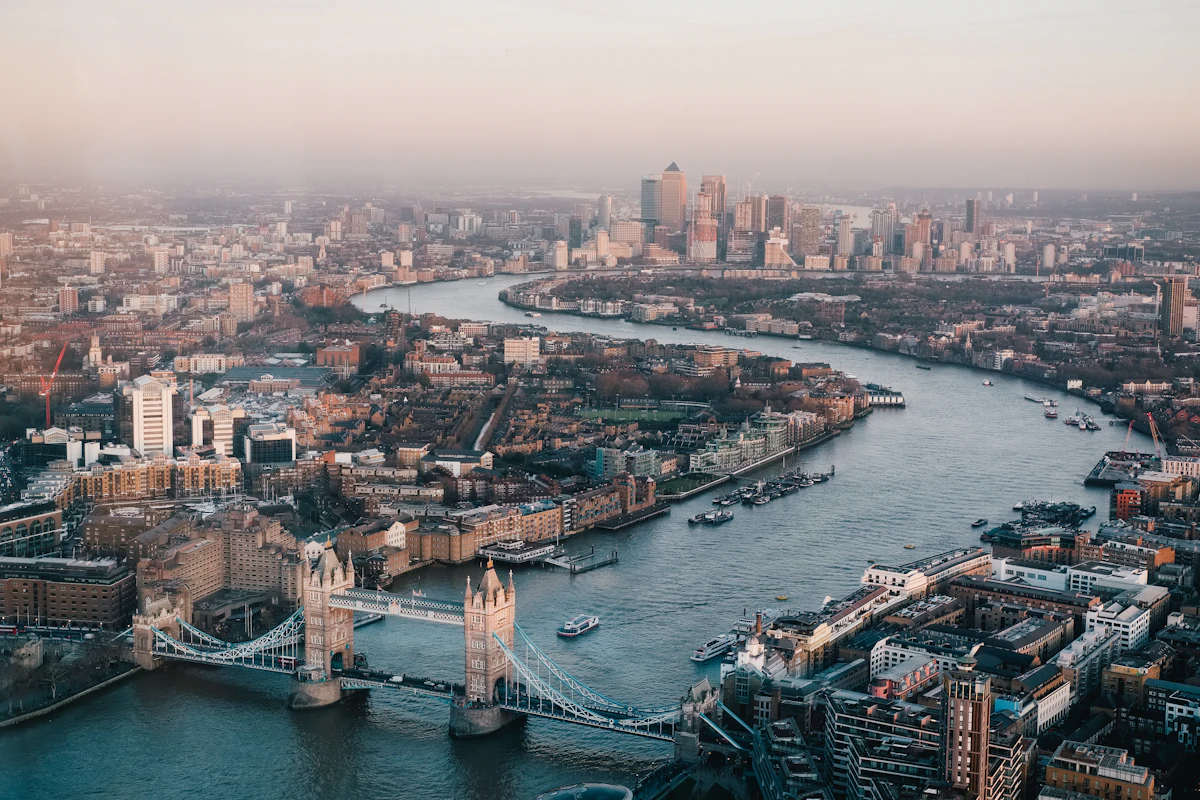
Location: Heathrow Airport, London, UK Nationality: Indian What Happened:
Priya, visiting her boyfriend in London, made critical mistake during immigration interview. When officer asked "What is purpose of your visit?" she replied "I'm meeting my boyfriend."
This triggered immediate red flag. Officer sent her to secondary inspection where she was questioned for 4 hours about:
- How they met
- His immigration status
- If they plan to marry
- Why visiting for 3 weeks (long tourist visit)
- Her employment and ties to India
They searched her phone and social media, finding messages about potentially moving to UK in future. Despite having return ticket and job in India, she was nearly denied entry. Only after showing strong employment letter, property ownership proof, and family ties was she finally admitted with warning that visitor visa is not for testing immigration through relationship.
The Cost:
- 4 hours secondary inspection
- Invasive phone/social media search
- Extreme stress and uncertainty
- Immigration warning on record
- Boyfriend missed work waiting at airport
Critical Lesson: Never lead with romantic relationship as primary visit purpose. It raises marriage/settlement concerns. Instead, emphasize tourism with friend visit as secondary purpose. Have strong proof of home country ties.
How to Avoid: Primary purpose should be tourism. If asked specifically about who you're visiting, be honest but brief. Have evidence of home ties: job, property, family, commitments. Don't discuss future immigration plans even privately.
9. "My Legal Adderall Got Me Detained for 3 Hours in Tokyo"
Location: Narita Airport, Tokyo, Japan Nationality: American What Happened:
Michael, traveling to Japan for business, brought his prescribed Adderall (30-day supply) for ADHD. He had prescription from US doctor and carried pills in original prescription bottle.
At customs, officers found the medication during random inspection. They immediately called security and detained him. Despite prescription and explanation, officers explained that Adderall (and most ADHD medications) contain amphetamine, which is strictly illegal in Japan with no exceptions.
He was held for 3 hours while officials:
- Verified his prescription was legitimate
- Confirmed he didn't know about Japan's prohibition
- Determined he wasn't trafficking drugs
The medication was confiscated and destroyed. He was released with warning and allowed to enter, but had to go 2 weeks in Japan without ADHD medication, severely impacting his work performance.
The Cost:
- 3 hours detention
- Medication confiscated (worth ~$300)
- 2 weeks without needed medication
- Had to find alternative medication in Japan
- Severe work performance impact
- Embarrassment with business partners
Critical Lesson: Japan strictly prohibits many common Western medications including most ADHD medications (Adderall, Vyvanse, Ritalin), some cold medicines (with pseudoephedrine), and certain pain medications. Prescription doesn't matter. Check prohibited medications before traveling.
How to Avoid: Research Japan's prohibited medication list before travel. Consult doctor about alternatives available in Japan. For allowed prescription drugs, get yakkan shoumei (import certificate) before travel.
10. "Biosecurity Breach Led to Full Luggage Inspection and Missed Connection"
Location: Auckland, New Zealand Nationality: American What Happened:
The Johnson family (4 members) arrived in Auckland from Los Angeles for 2-week vacation. They declared "No" to food items on arrival card, genuinely thinking packaged energy bars and trail mix in their carry-on bags didn't count as "food."
Biosecurity beagle (detector dog) immediately alerted on their bags. They were pulled aside for full luggage inspection. Officers found:
- 12 packaged energy bars
- Trail mix with nuts and dried fruit
- Half-eaten sandwich from plane
- Apple from in-flight meal
New Zealand biosecurity is second only to Australia in strictness. ALL food must be declared, even packaged items and airplane leftovers.
The family received warnings instead of immediate fines (first-time visitors given more leniency), but entire inspection process took 2 hours. They missed their domestic connection to Queenstown, had to book new flights, and lost first day of vacation.
The Cost:
- 2 hours biosecurity inspection
- Missed $800 in domestic flights
- Had to pay $900 for new flights
- Lost hotel deposit for first night
- Official biosecurity warning on record
- Entire first day of vacation wasted
Critical Lesson: Pacific countries (Australia, New Zealand) take biosecurity extremely seriously. Even packaged food from commercial sources must be declared. Airplane food leftovers count. Energy bars count. Trail mix counts. Everything counts.
How to Avoid: Mark "Yes" for any food items on arrival card, including packaged snacks. Eat or dispose of airplane food before landing. Let biosecurity officers determine if items are safe rather than making assumptions.
Common Patterns Across All Stories

The Fatal Mistakes
- Assuming ignorance is excuse - "I didn't know" doesn't prevent penalties
- Thinking prescriptions override local law - Your country's rules don't apply abroad
- Minimal preparation - Not researching destination's specific requirements
- Vague answers - Immigration wants concrete details, not "seeing what happens"
- One-way tickets without ties - Huge overstay risk red flag
- Hiding work intent - Lie always discovered and makes everything worse
- Underestimating biosecurity - Australia/New Zealand/Singapore are extremely strict
- Not declaring to save small duty - Fines are 10-100x the duty amount
- Bringing prohibited medications - Common medications illegal in many countries
- Visa abuse patterns - Continuous tourist entries are monitored and stopped
Prevention Strategies
✅ Research destination requirements 6-8 weeks before travel ✅ Check prohibited items list including medications ✅ Prepare documentation organized and accessible ✅ Have return tickets and concrete travel plans ✅ Demonstrate home ties - job, property, family, commitments ✅ Declare everything when in doubt ✅ Be honest - lying discovered makes everything worse ✅ Know your story - consistent, specific, believable ✅ Show respect - attitude affects officer discretion ✅ Get proper visa for your actual activities
Conclusion
These stories share common thread: Small mistakes have huge consequences at borders. The difference between smooth entry and deportation can be single wrong phrase, undeclared item, or inadequate documentation.
Border control is not area for improvisation or "figuring it out." Preparation, honesty, and understanding destination's specific requirements are essential.
Learn from these travelers' expensive mistakes. Research. Prepare. Document. Declare.
Safe travels!